Warthog Coloring Pages

A warthog is a wild African pig with two curved tusks, a bumpy face and a mane of bristly hair along its back, which makes it a funny animal, full of character, to color. Little hands aged 3 to 5 can start with the little page, which has very thick outlines, a few big shapes and no background. The kids page, for ages 6 to 8, has thick lines, and the detailed page, for ages 9 to 12, adds finer lines and more areas to color.

Choose a level and printColor onlineHow to Draw a Warthog

Choose a level and print

The same drawing in three levels. Print it from the page or download a PDF.

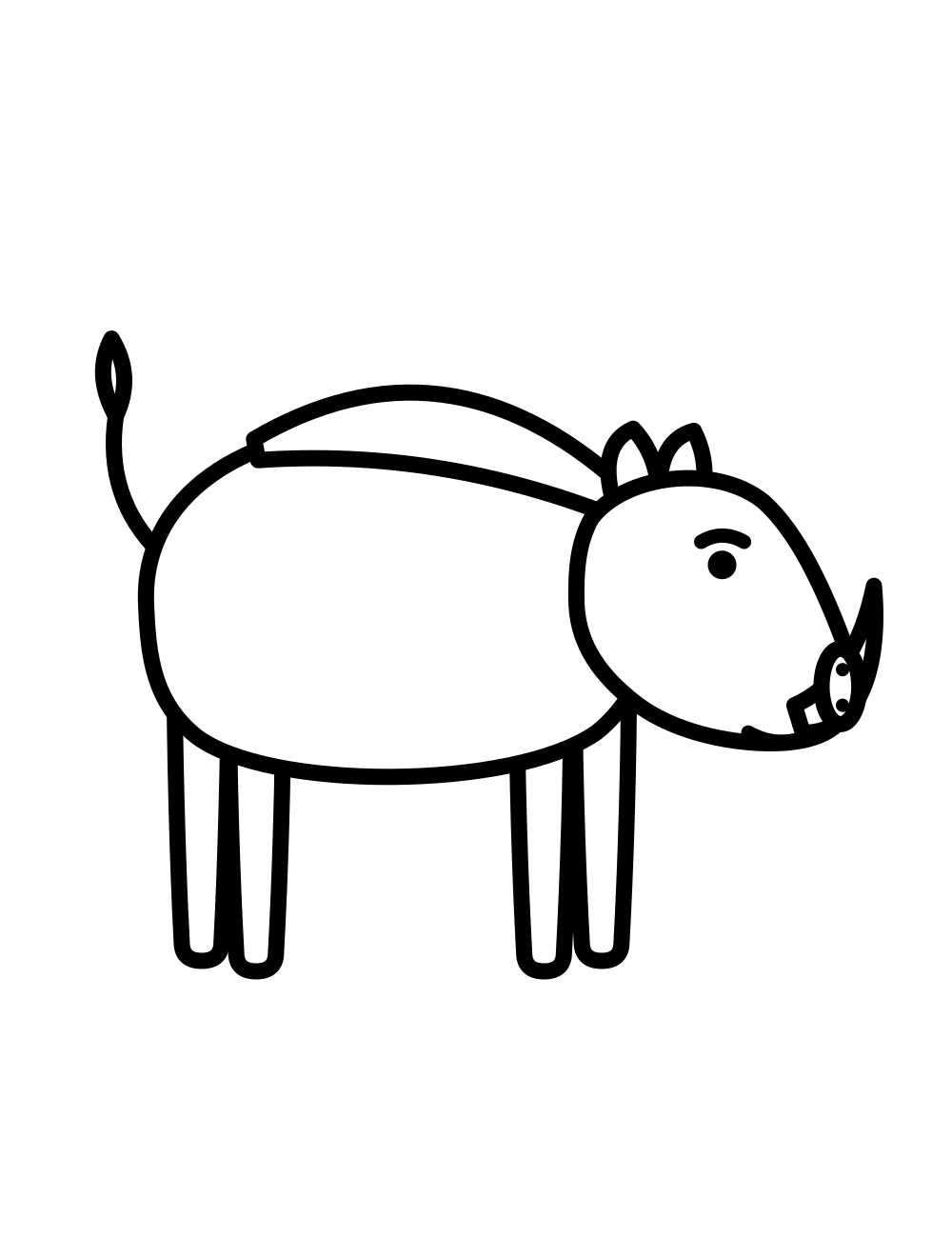
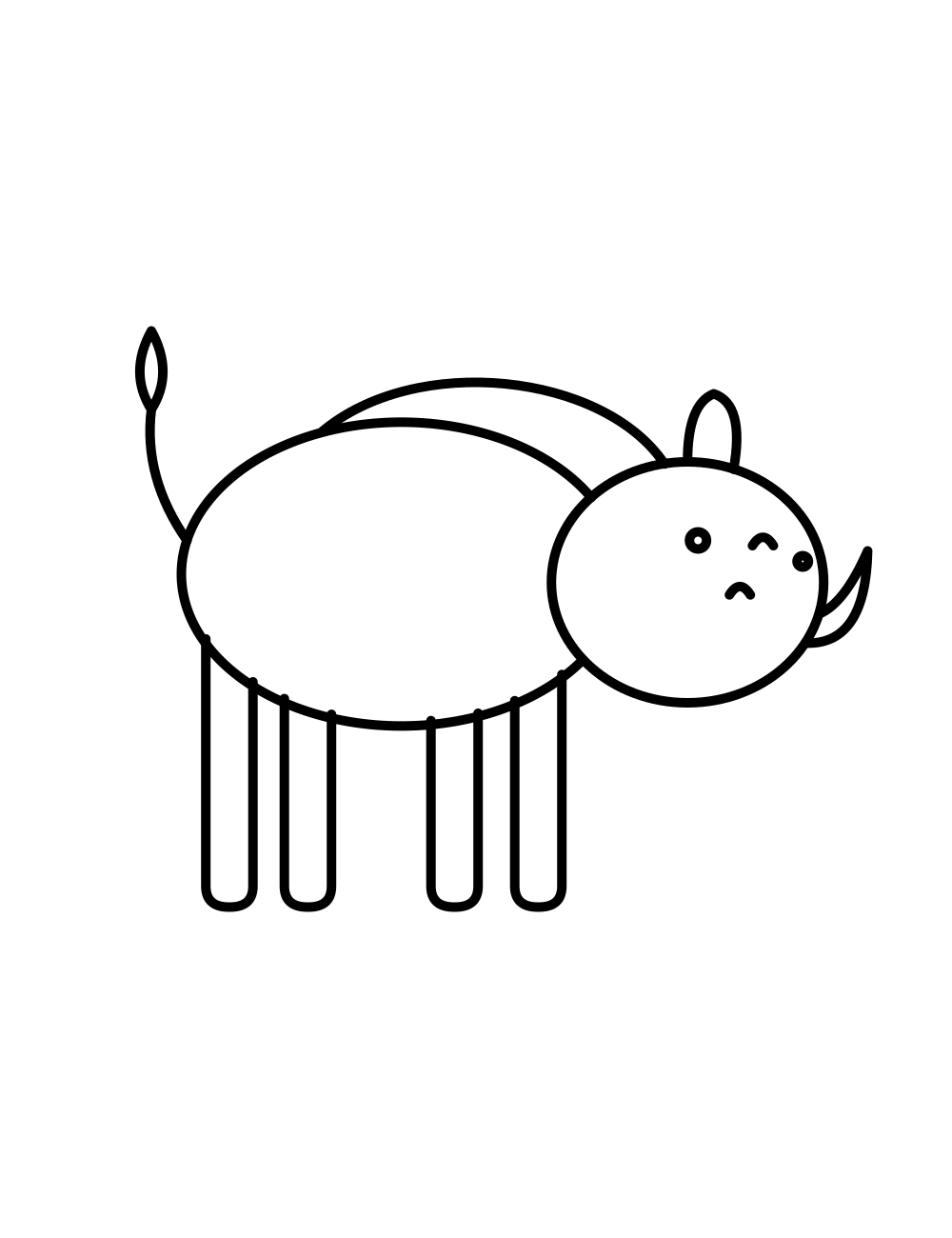
Warthog coloring page for ages 3 to 5 with very thick outlines, a few big shapes and no background

Little

Ages 3–5

Very thick lines and a few big areas. Easy for small hands.
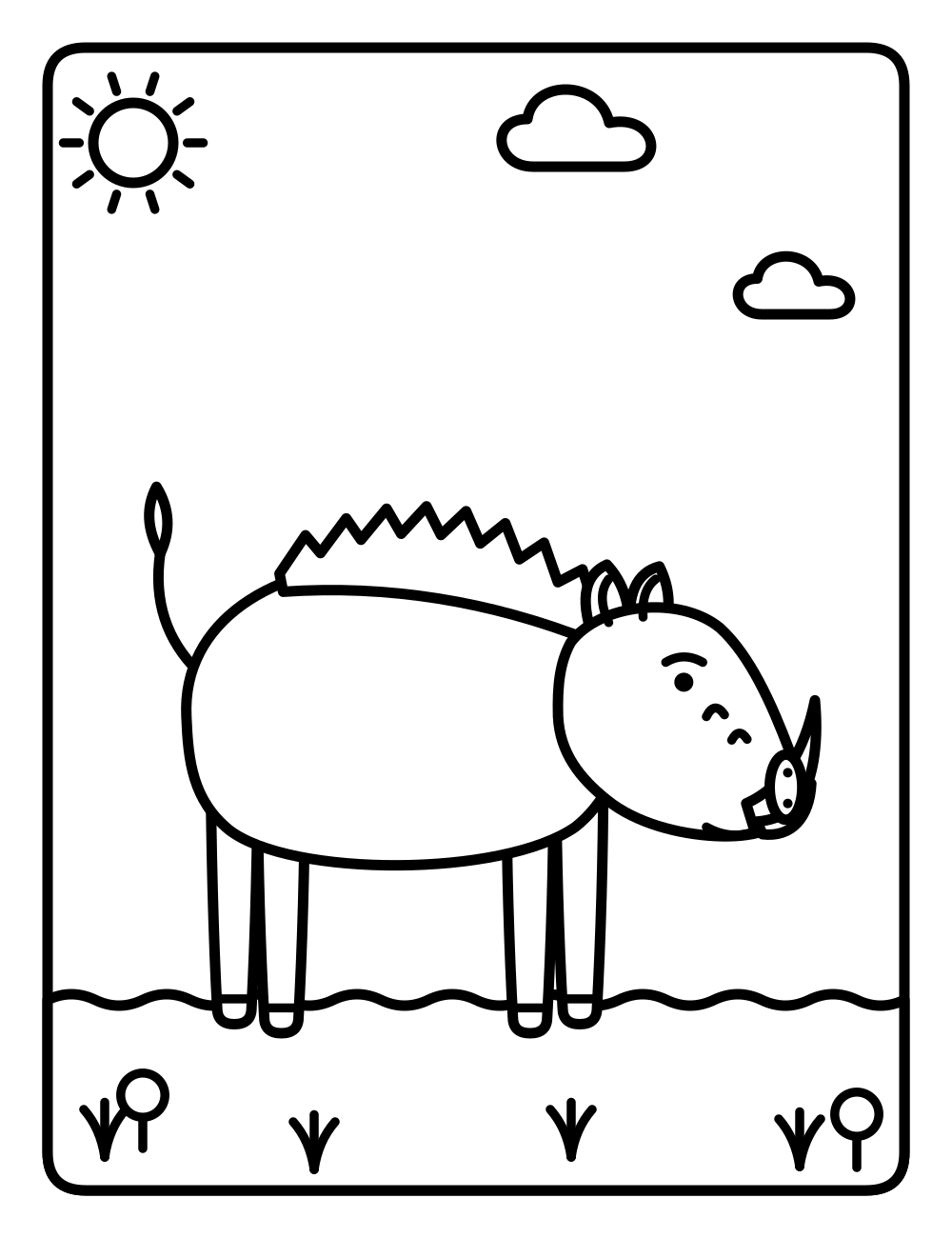
Warthog with a bristly mane and a curved tusk standing in the grass under a sun and clouds, for ages 6 to 8

Kids

Ages 6–8

Thick lines and a simple background to color.
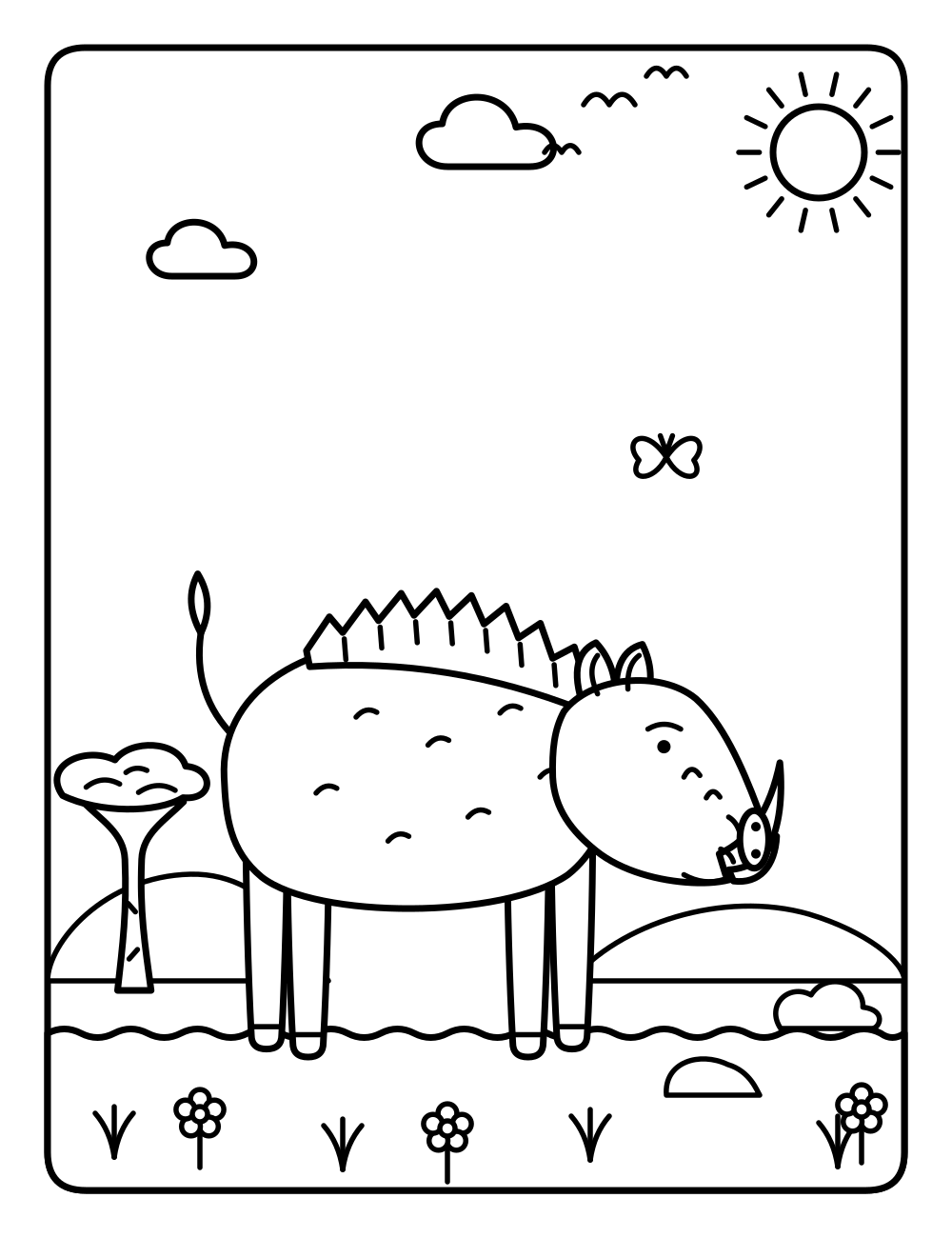
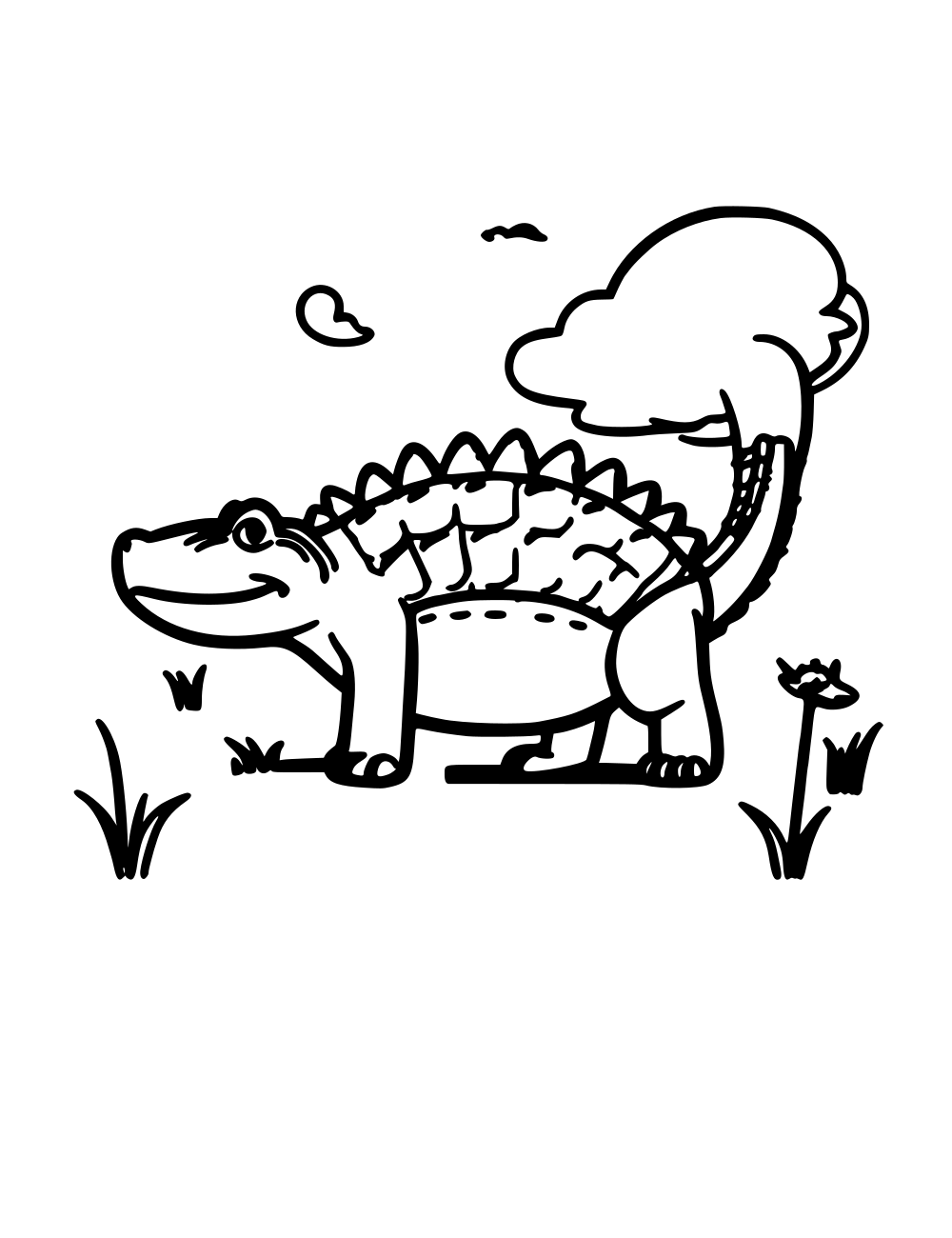
Warthog in a savanna scene with hills, an acacia tree, flowers and a butterfly, for ages 9 to 12

Detailed

Ages 9–12

Finer lines, more areas and patterns for older children.

Color online

Choose a color, then tap an area of the picture to fill it. When you are happy, save it as an image or print it.

Coloring online needs JavaScript. You can still print the pages above.

Real colors to try

These are the natural colors of this animal. Use them, or pick your own.

  • grey-brown
  • dark brown
  • mane tan
  • ivory tusks
  • tail tuft black
  • red mud
  • dry grass gold

Warthog facts for kids

  • Warthogs are wild members of the pig family and live in Africa, in grasslands and open woods.
  • The bumps on a warthog's face are not real warts. They are just lumps of skin.
  • A warthog's tusks are long, curved teeth that stick out of its mouth, and it uses them to defend itself.
  • When a warthog runs, it often holds its tail straight up in the air.
  • Warthogs often kneel on their front legs to eat grass and dig for roots.

How to use this coloring page

  • Little level: chunky crayons suit the big shapes. Color the body first and finish with a cream or white crayon on the tusks.
  • Kids level: a warthog's skin is grey-brown, its mane can be lighter or darker, and its tusks are cream. Three colors are enough.
  • Detailed level: short pencil strokes in tan and dark brown look like a bristly mane. Press lightly, then add a darker layer.
  • In class, ask where the name warthog comes from, then let each child color the bumps on the face in their own way.
  • Print at 100% on plain paper. Slightly thicker paper helps if you use markers for the large grey-brown areas.

Pip's idea

Give the warthog a mud-bath look: color its skin in browns and reds as if it just rolled in the mud, and keep the tusks bright white.
Questions and answers

Why is it called a warthog?
It is named for the bumps on its face, which look like warts. They are not real warts, just lumps of skin, and they are fun to color a slightly different shade from the rest of the face.
Where does a warthog sleep?
In a burrow, which is a hole in the ground. A warthog usually backs in tail first, so its tusks point toward the entrance.
Which warthog page suits a four-year-old?
The little level, for ages 3 to 5. With its very thick outlines, a few big shapes and no background, the round warthog body is easy to fill in, and the tusks can be colored last.