Flamingo Coloring Pages

Flamingos are tall pink birds with long legs, a curved neck and a beak that bends downward, which makes them fun to color in every shade from pale to deep pink. Children aged 3 to 5 will enjoy the little page, with very thick outlines, a few big shapes and no background, while ages 6 to 8 get thick lines on the kids page, and ages 9 to 12 get finer lines and more areas to color on the detailed page. Print the one you need, or try out your pinks on screen first.

Choose a level and printColor onlineHow to Draw a Flamingo

Choose a level and print

The same drawing in three levels. Print it from the page or download a PDF.

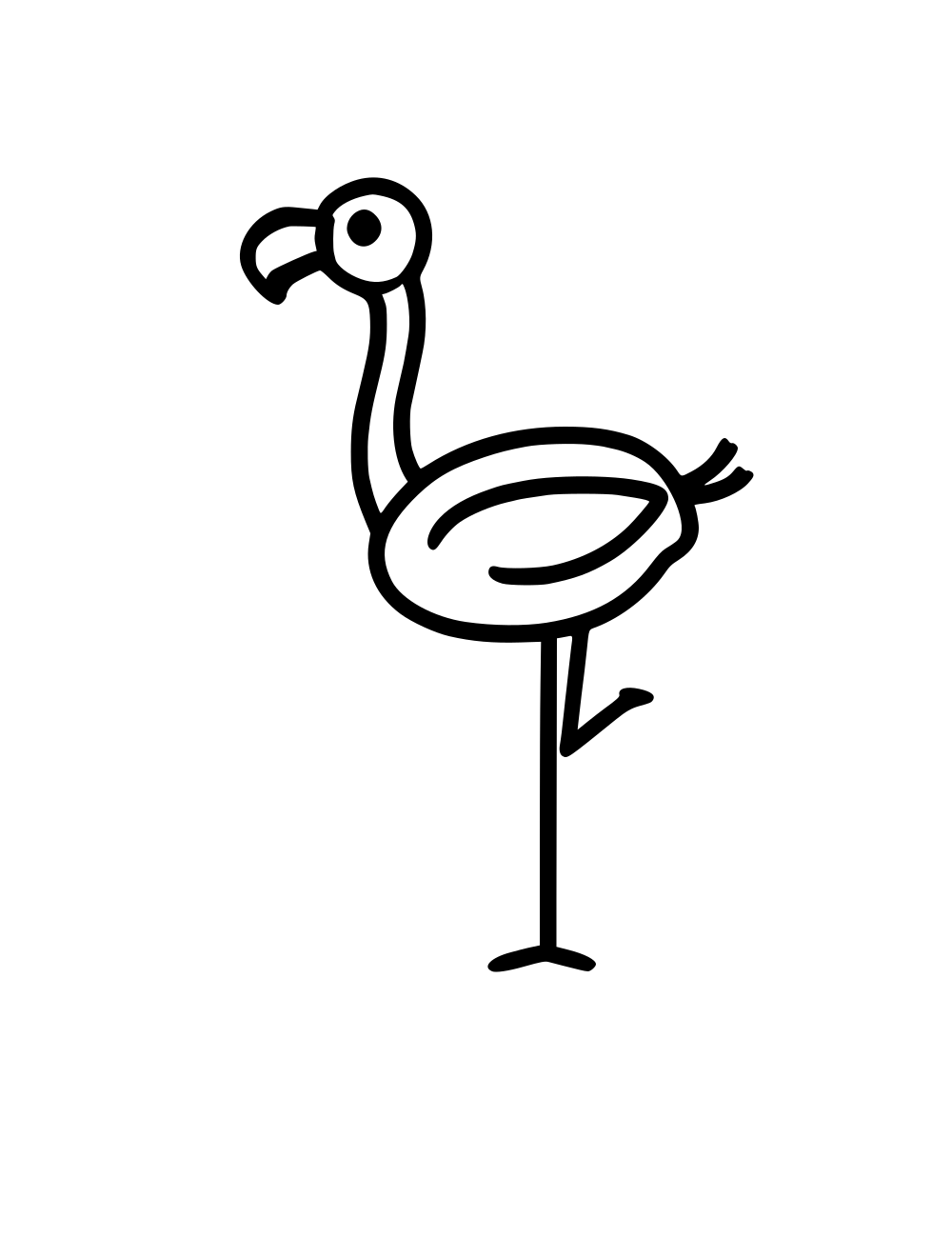
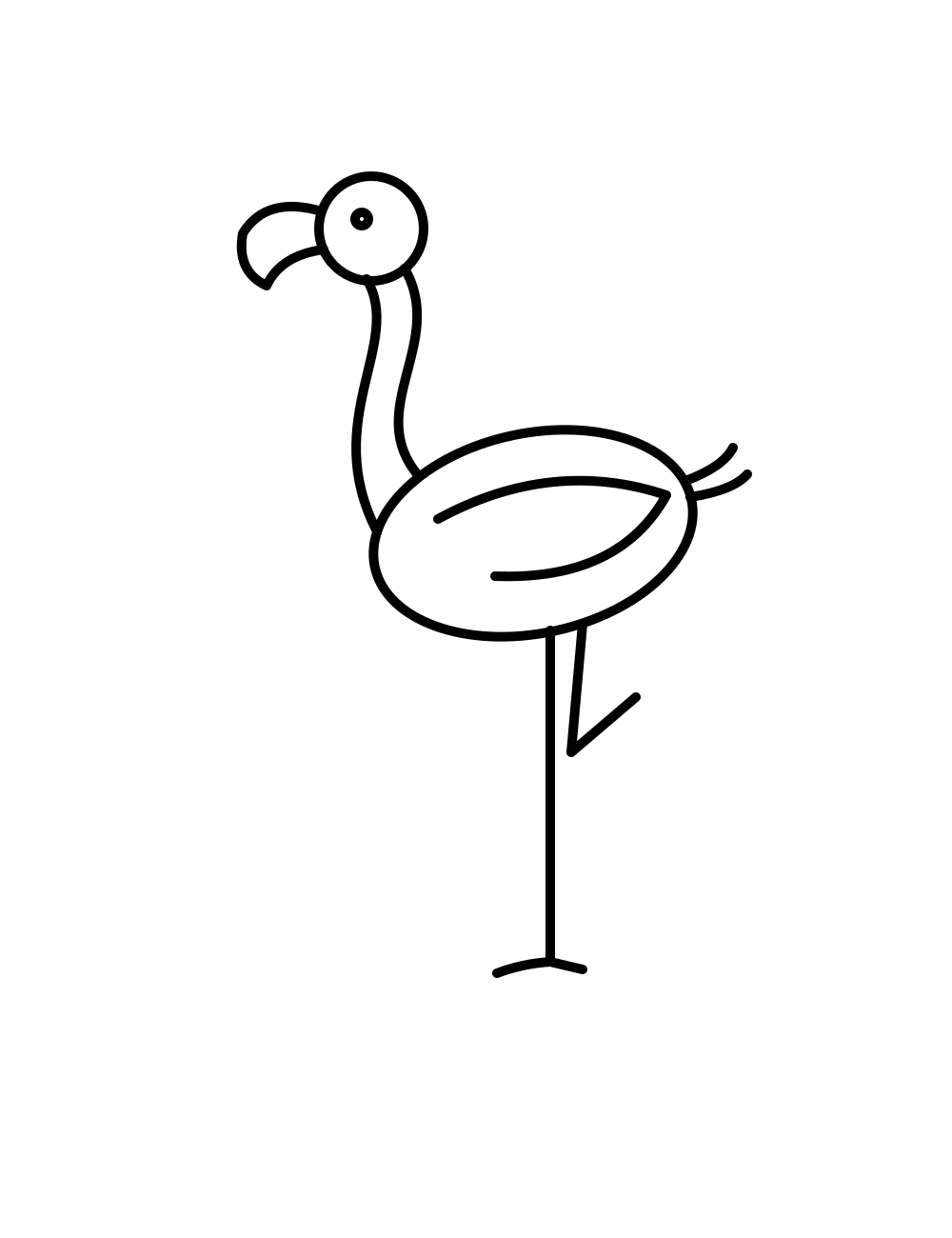
Flamingo coloring page for ages 3 to 5 with very thick outlines, a few big shapes and no background

Little

Ages 3–5

Very thick lines and a few big areas. Easy for small hands.
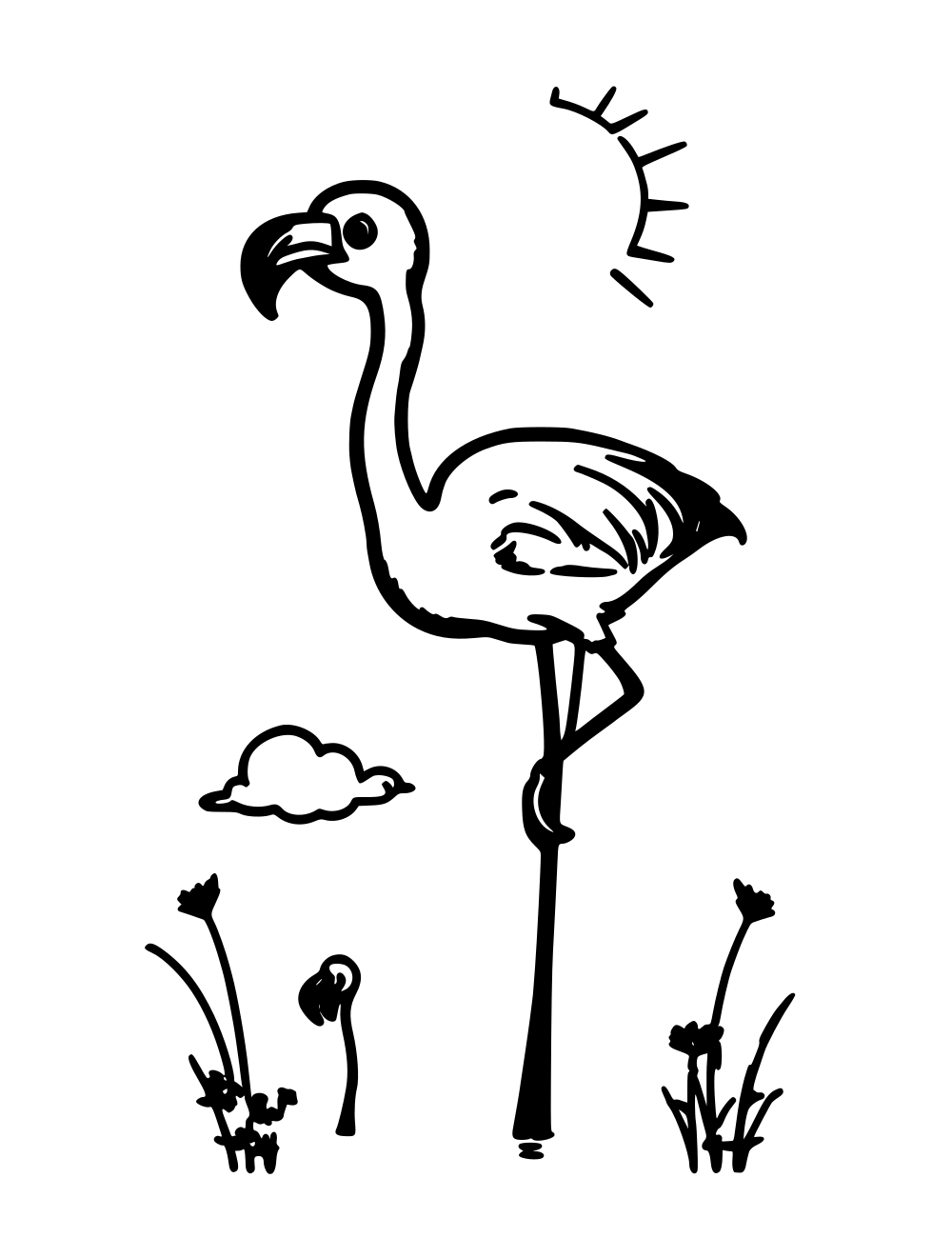
Flamingo coloring page for ages 6 to 8 with thick lines that are easy to follow

Kids

Ages 6–8

Thick lines and a simple background to color.
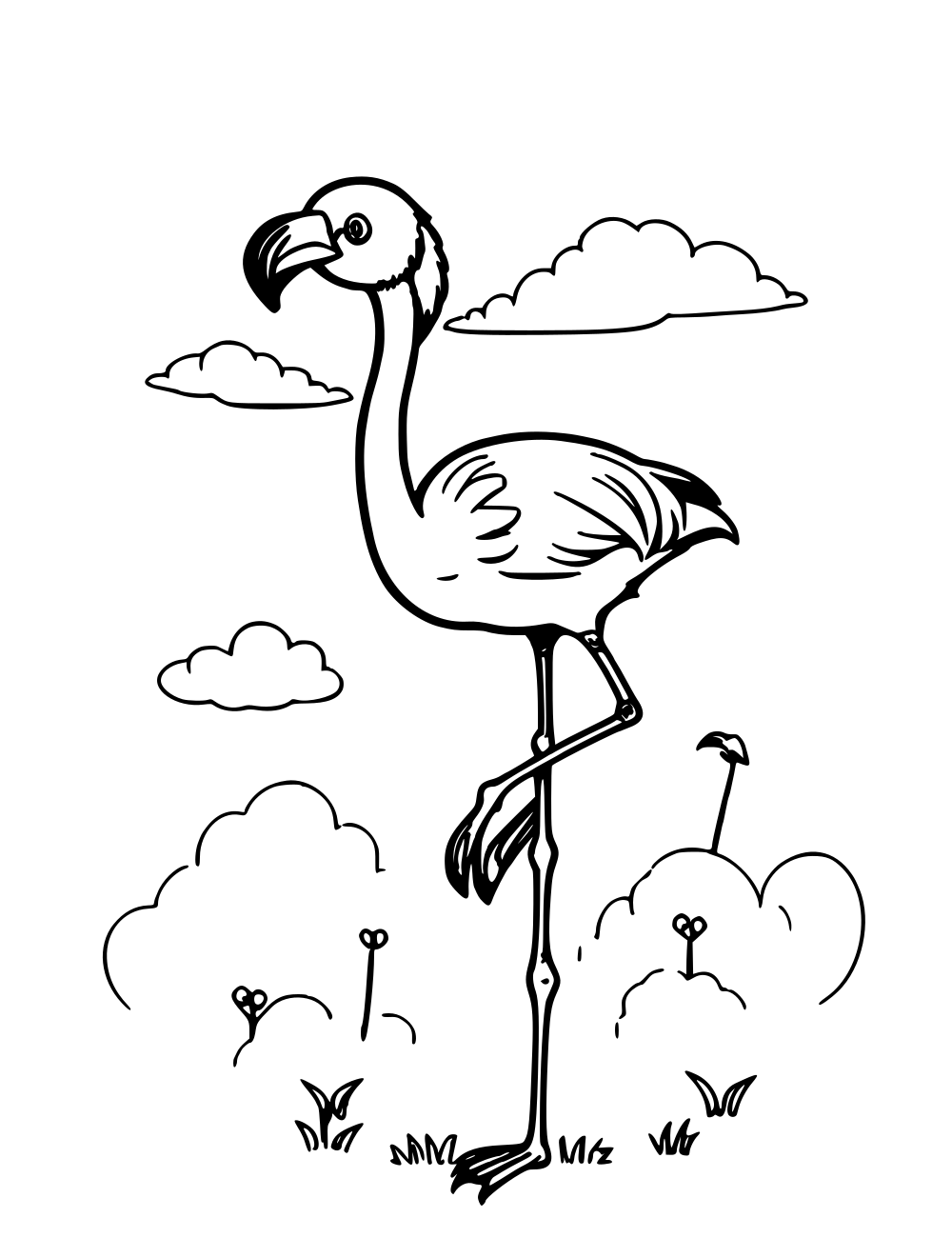
Flamingo coloring page for ages 9 to 12 with finer lines and more areas to color

Detailed

Ages 9–12

Finer lines, more areas and patterns for older children.

Color online

Choose a color, then tap an area of the picture to fill it. When you are happy, save it as an image or print it.

Coloring online needs JavaScript. You can still print the pages above.

Real colors to try

These are the natural colors of this animal. Use them, or pick your own.

  • flamingo pink
  • deep pink
  • pale pink
  • black wing feathers
  • lagoon blue
  • sandy shore

Flamingo facts for kids

  • Flamingos get their pink color from the food they eat, such as tiny algae and small shrimp.
  • Flamingos often rest standing on one leg, with the other leg tucked up under the body.
  • Flamingos live in big groups near shallow water, like lakes and lagoons.
  • A flamingo eats with its head upside down in the water, using its bent beak to strain out tiny food.
  • Baby flamingos are born with grey feathers and slowly turn pink as they grow.

How to use this coloring page

  • Little level: one or two pinks and a chunky crayon are enough. Color the body first and leave the thin legs for last.
  • Kids level: try a pale pink on the neck and a deeper pink on the body so the feathers look soft, and use black or dark grey for the beak tip.
  • Detailed level: colored pencils let you shade from pale to bright pink. Press lightly and build up the color in layers.
  • In class, ask why flamingos are pink before coloring, then compare the pages to see how many different pinks the group used.
  • Print at 100% on plain paper. Pink markers can bleed through, so slightly thicker paper keeps the other side clean.

Pip's idea

Make a sunset flamingo by blending yellow, orange, pink and purple from the neck down to the tail, as if its feathers caught the evening sky.
Questions and answers

Why are flamingos pink?
Flamingos get their pink color from the food they eat, mostly tiny algae and small shrimp. Baby flamingos are born grey and turn pink as they grow, so any shade from pale to bright pink looks right on this page.
Do I have to color the flamingo pink?
Pink is the real color, but a flamingo's beak has a dark tip and the flight feathers on its wings are black. Mix those in for a true-to-life bird, or use any colors you like for a make-believe one.
Which flamingo page should a young child color first?
The little level, for ages 3 to 5. Its very thick outlines and few big shapes leave small hands plenty of room, and a flamingo's long legs and neck are easy to follow with a crayon.