Crocodile Coloring Pages

A crocodile has a long snout, a thick tail, short strong legs and bumpy, scaly skin, so there is plenty to color from the tip of the nose to the end of the tail. For ages 3 to 5 there is the little page, with very thick outlines, a few big shapes and no background. The kids page, for ages 6 to 8, has thick lines, and the detailed page, for ages 9 to 12, has finer lines and more areas to color, and each one can be printed or colored on screen.

Choose a level and printColor onlineHow to Draw a Crocodile

Choose a level and print

The same drawing in three levels. Print it from the page or download a PDF.

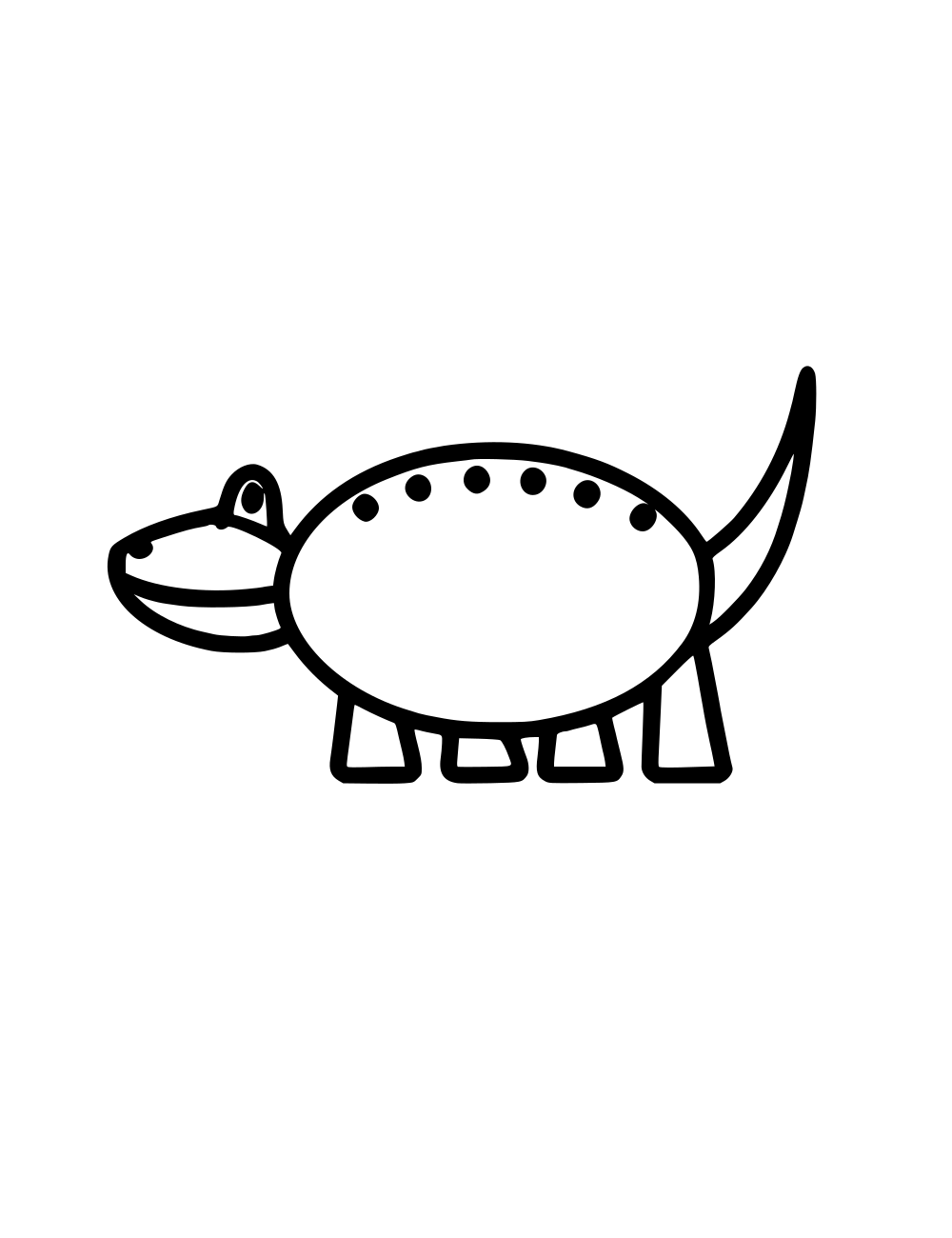
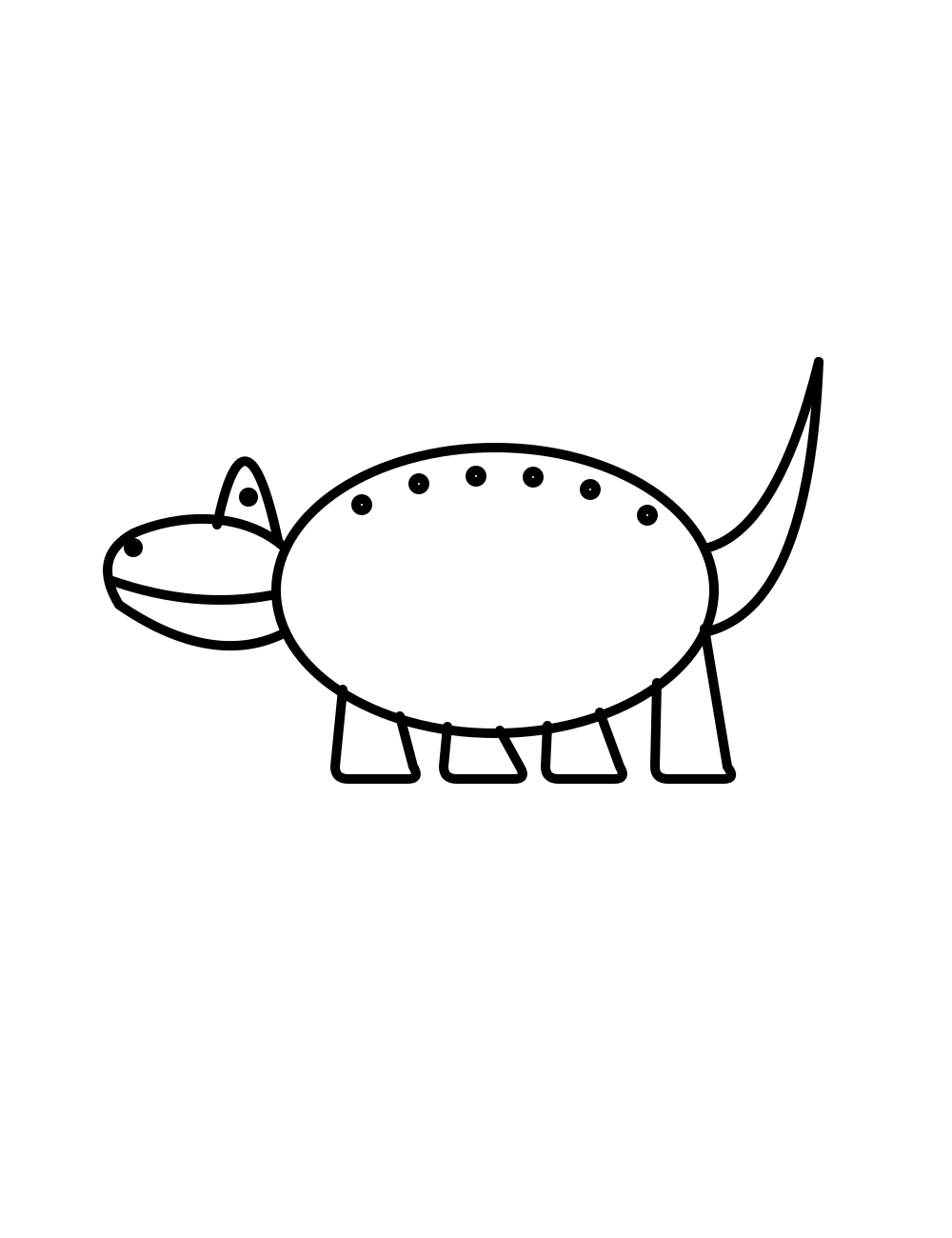
Crocodile coloring page for ages 3 to 5 with very thick outlines, a few big shapes and no background

Little

Ages 3–5

Very thick lines and a few big areas. Easy for small hands.
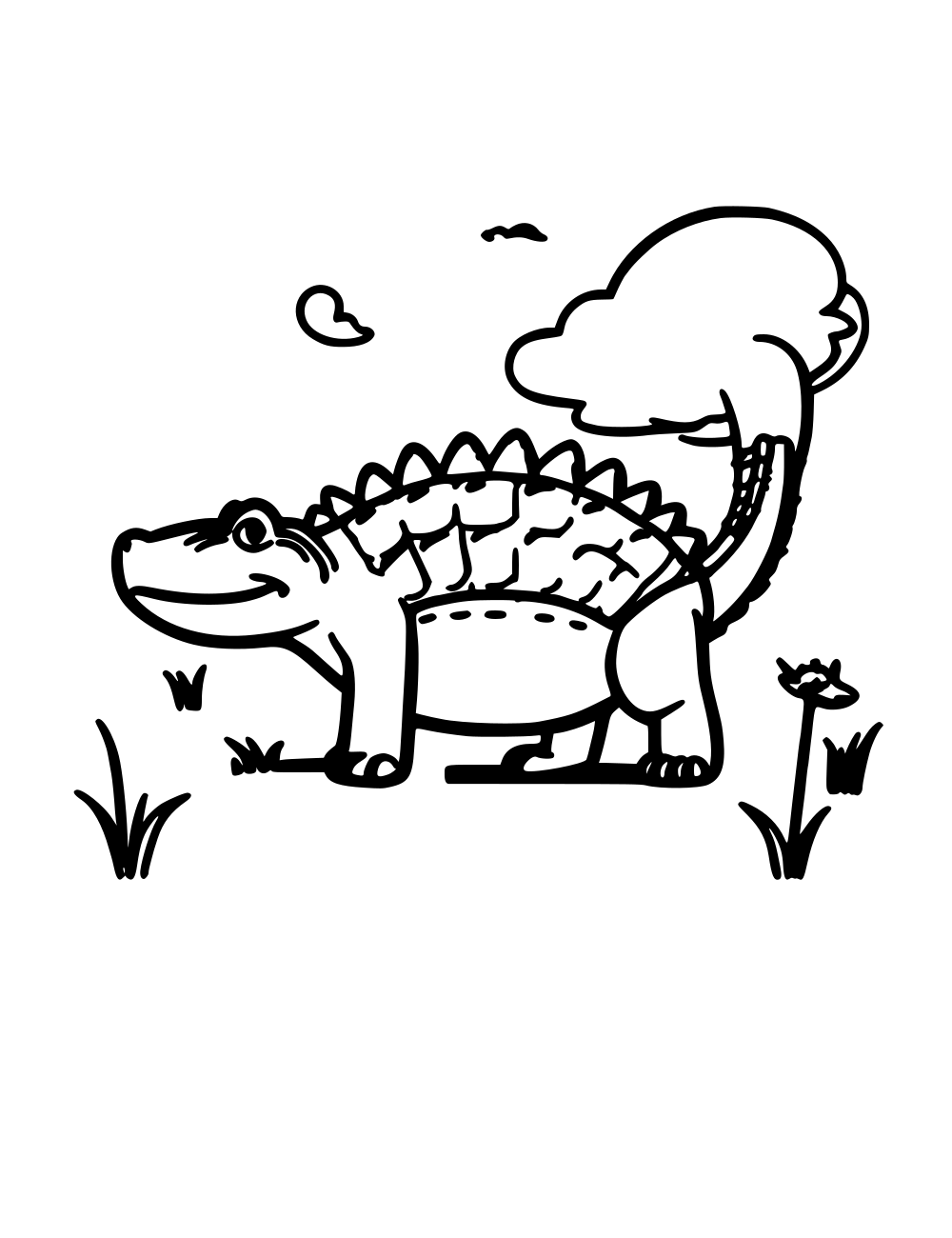
Crocodile coloring page for ages 6 to 8 with thick lines that are easy to follow

Kids

Ages 6–8

Thick lines and a simple background to color.
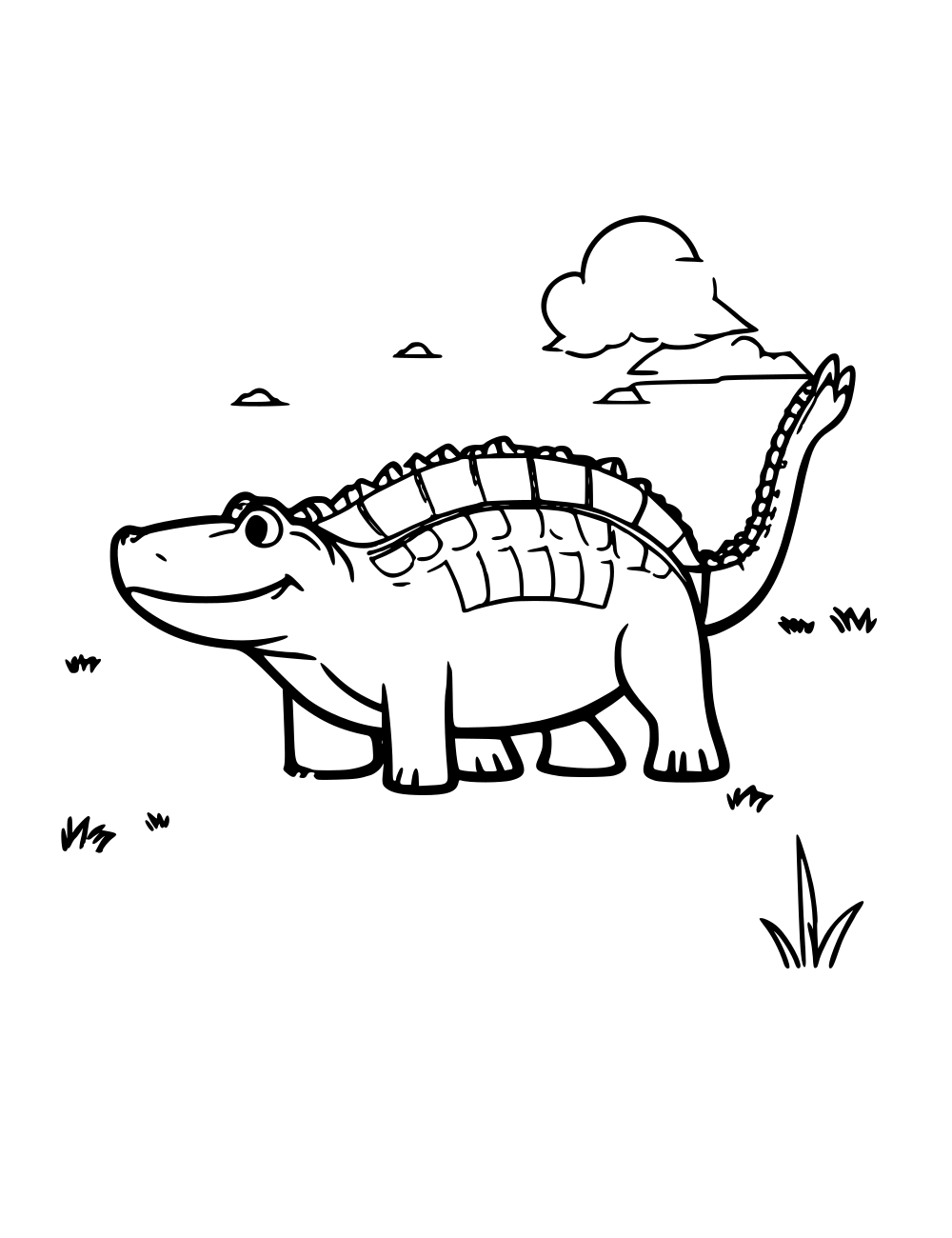
Crocodile coloring page for ages 9 to 12 with finer lines and more areas to color

Detailed

Ages 9–12

Finer lines, more areas and patterns for older children.

Color online

Choose a color, then tap an area of the picture to fill it. When you are happy, save it as an image or print it.

Coloring online needs JavaScript. You can still print the pages above.

Real colors to try

These are the natural colors of this animal. Use them, or pick your own.

  • crocodile green
  • dark green
  • olive green
  • cream belly
  • muddy brown
  • river blue

Crocodile facts for kids

  • Crocodiles are reptiles with tough, bumpy scales, and they live in warm places near rivers, lakes and swamps.
  • A crocodile warms up by lying still in the sun and cools down by sliding into the water.
  • A crocodile's eyes and nostrils sit on top of its head, so it can see and breathe while most of its body is under water.
  • Mother crocodiles lay eggs in a nest and guard them, and after the babies hatch she can carry them to the water in her mouth.
  • Crocodiles are meat eaters that hunt fish and other animals near the water.

How to use this coloring page

  • Little level: a crocodile is long, so the very thick outlines leave big areas for a chunky crayon. Try one green for the whole animal.
  • Kids level: use a darker green for the back and a lighter color for the belly so the crocodile looks rounded.
  • Detailed level: the bumpy scales are small areas, so colored pencils or fine markers work well. Alternate two or three greens and browns along the back.
  • At home or in class, pair this page with the drawing lesson: draw a crocodile first, then color it and compare your scale patterns.
  • Print at 100% on plain paper. Green markers soak through easily, so slightly heavier paper keeps the back of the page clean.

Pip's idea

Turn the crocodile into a patchwork animal by filling its skin with stripes, dots and zigzags in bright colors instead of green.
Questions and answers

What color is a crocodile?
Most crocodiles are green, olive or brown on the back, and paler cream or yellow underneath. Using a darker green on top and a lighter color on the belly makes your crocodile look round and real.
Why does the crocodile have bumps on its back?
Those bumps are part of its tough, scaly skin. They help protect the crocodile, and they make a fun pattern to color with two or three shades of green.
Which crocodile page is right for a four-year-old?
The little level, made for ages 3 to 5. It has very thick outlines, a few big shapes and no background, so even the long snout and tail leave plenty of room for a crayon.