Kudu Coloring Pages

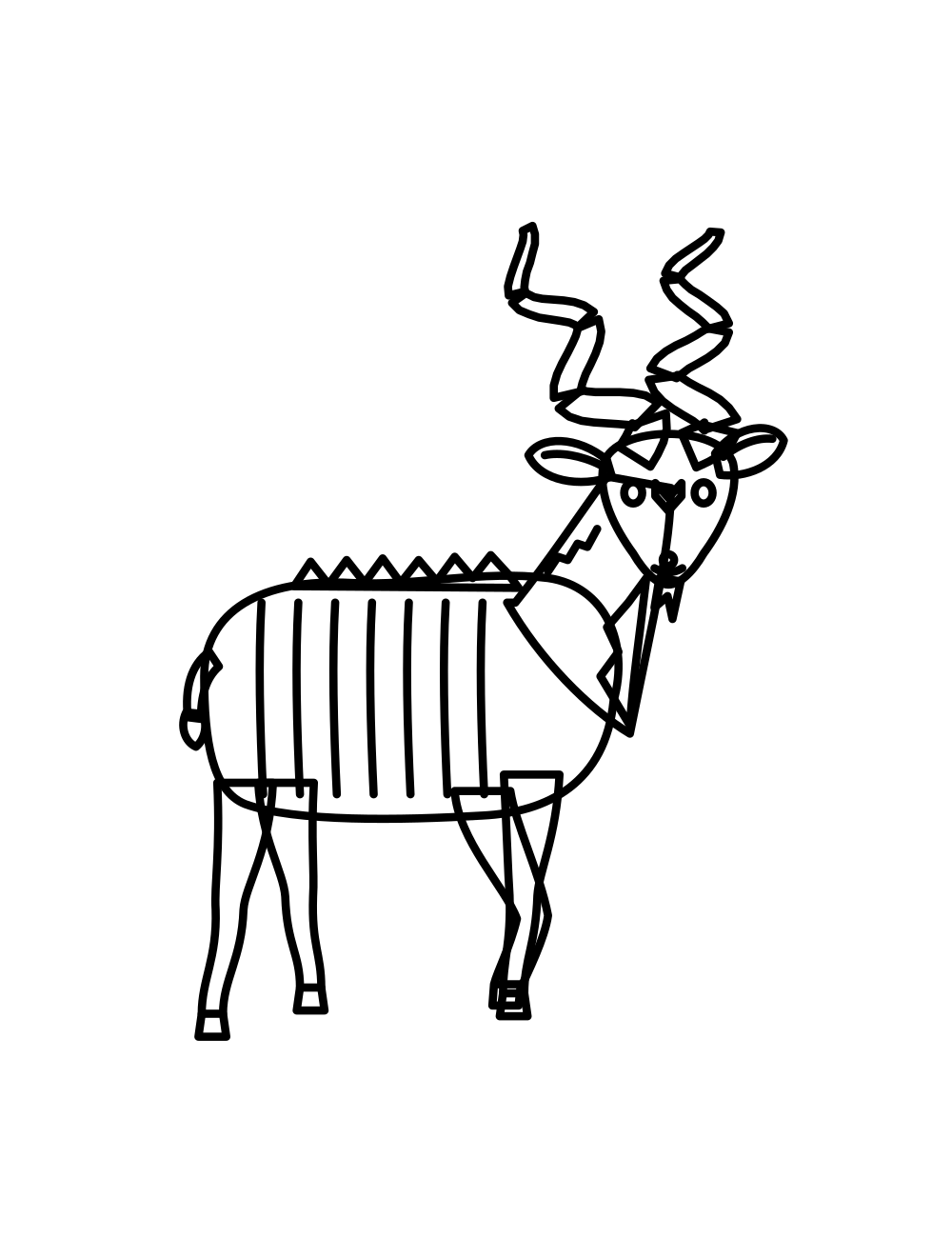
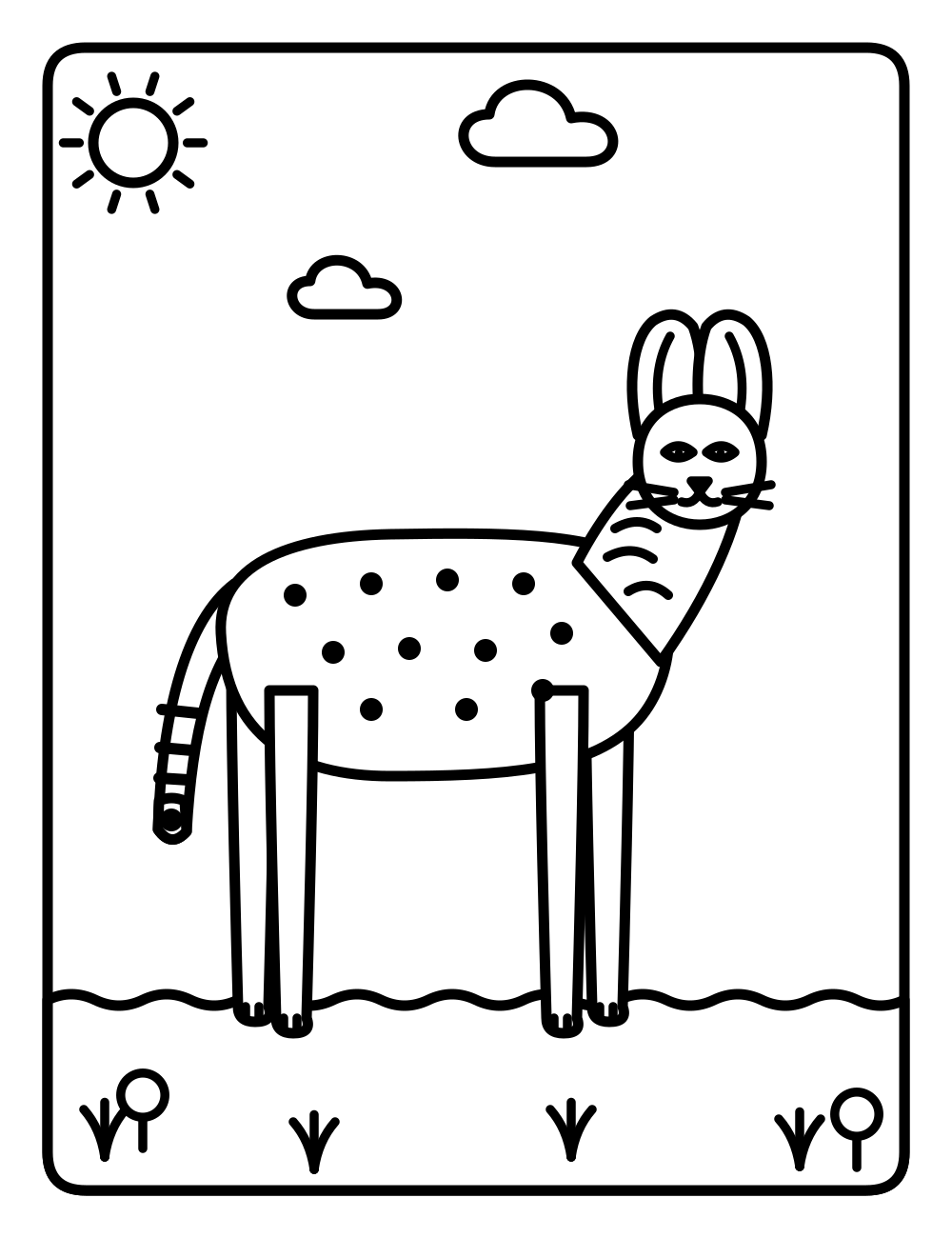
The kudu is a large African antelope with long horns that twist like a corkscrew, huge rounded ears and thin white stripes running down its sides. On the little page, for ages 3 to 5, the kudu has very thick outlines and big shapes with no background. Children aged 6 to 8 get thick lines and a sunny grassy scene, and the detailed page for ages 9 to 12 adds finer lines, a spiky mane, a small beard and plenty of small areas to fill.

Choose a level and printColor onlineHow to Draw a Kudu

Choose a level and print

The same drawing in three levels. Print it from the page or download a PDF.

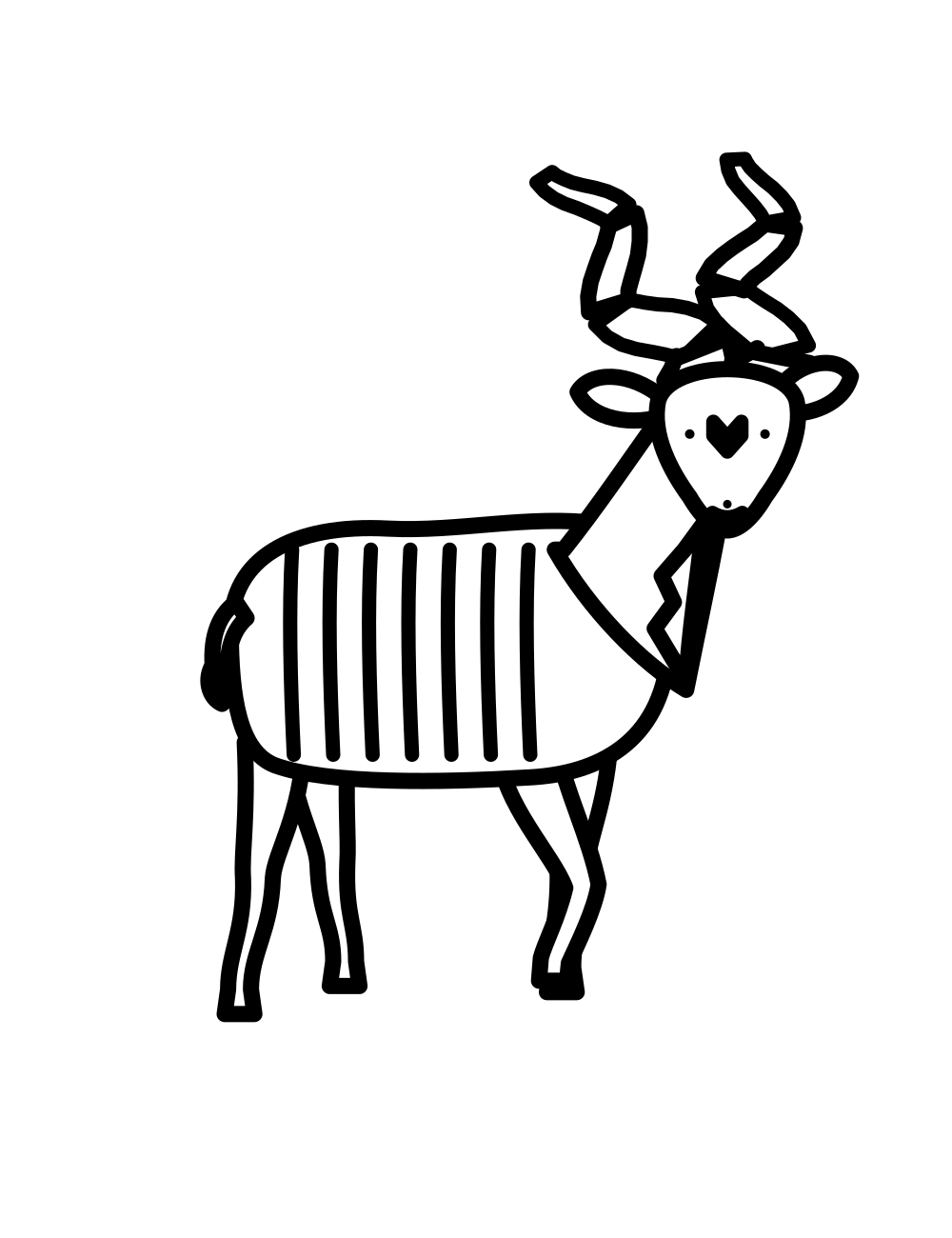
Kudu coloring page for ages 3 to 5 with spiral horns, a white V between the eyes, one bent front leg and very thick outlines

Little

Ages 3–5

Very thick lines and a few big areas. Easy for small hands.
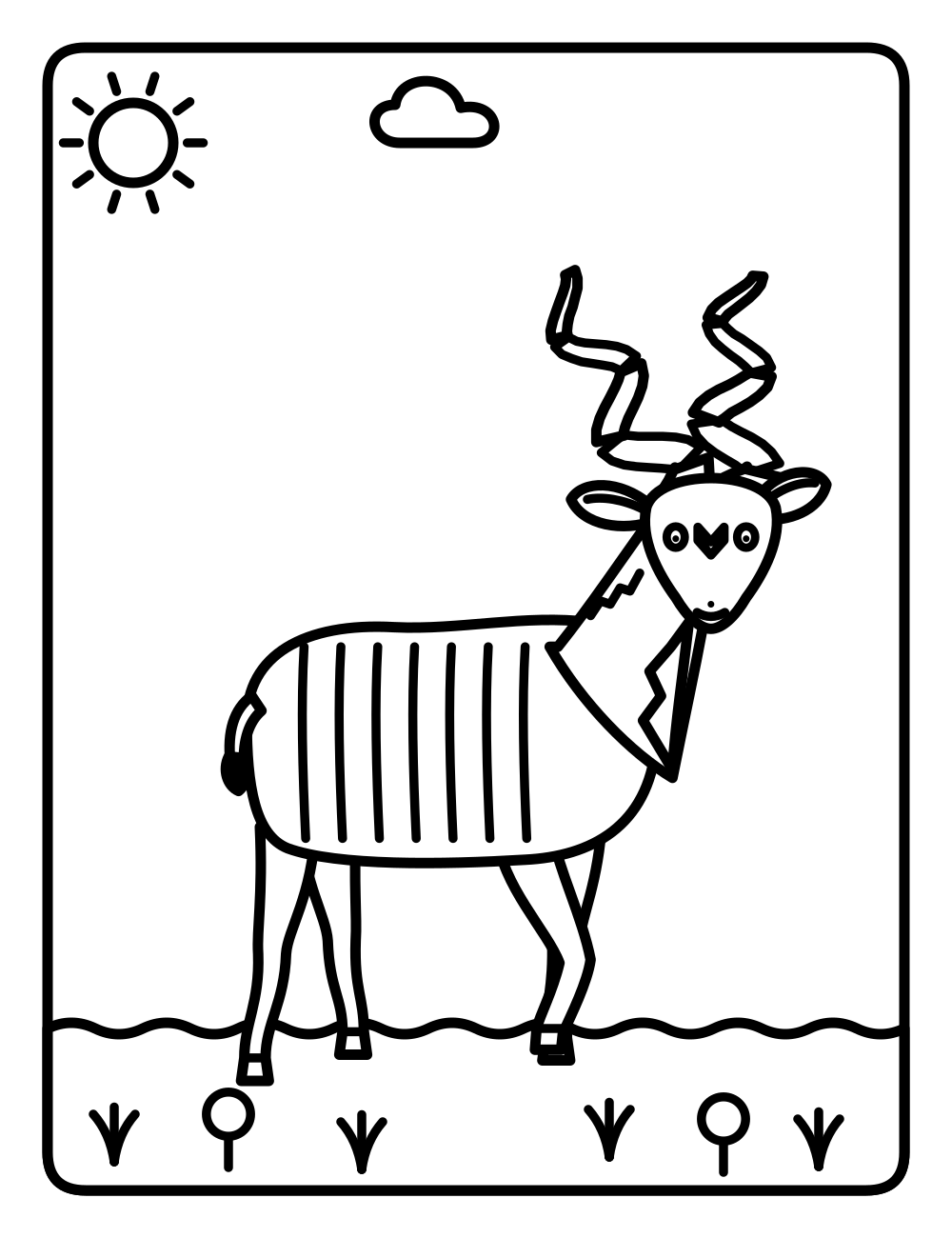
Kudu with corkscrew horns, white body stripes and its head turned toward you, lifting one front hoof on grass under a sun, for ages 6 to 8

Kids

Ages 6–8

Thick lines and a simple background to color.
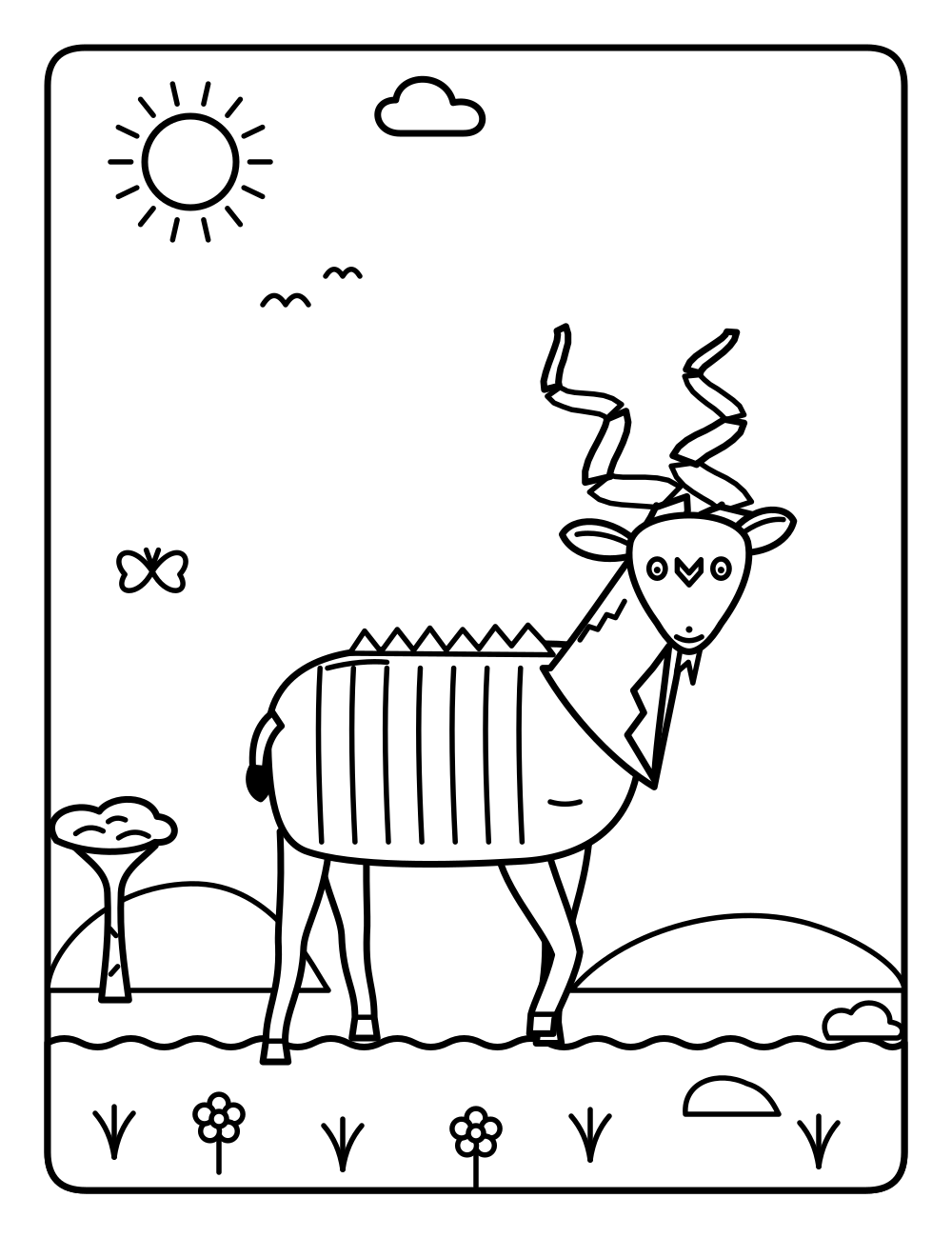
Kudu with thin stripes, spiral horns, a spiky mane and beard, facing you and lifting a hoof in bush with a tree, a sun and a butterfly, ages 9 to 12

Detailed

Ages 9–12

Finer lines, more areas and patterns for older children.

Color online

Choose a color, then tap an area of the picture to fill it. When you are happy, save it as an image or print it.

Coloring online needs JavaScript. You can still print the pages above.

Real colors to try

These are the natural colors of this animal. Use them, or pick your own.

  • grey-brown coat
  • chalk white stripes
  • dark horn brown
  • ivory horn tips
  • nose black
  • bush leaf green

Kudu facts for kids

  • Kudus are antelopes that live in Africa, in woodland and bush with many trees and shrubs.
  • Kudus eat leaves, picking them from bushes and low branches.
  • Male kudus have long horns that twist round and round in a spiral, like a corkscrew.
  • The thin white stripes on a kudu's body help it hide among the trees and shadows.
  • A kudu has very large, rounded ears that help it hear sounds around it.

How to use this coloring page

  • Little level: start with the large body in grey-brown, then use a darker crayon for the twisting horns.
  • Kids level: leave the stripes and the V between the eyes white, so they stand out against the brown coat.
  • Detailed level: color each twist of the horns a little darker at the base and lighter toward the tips.
  • At school, talk about how stripes help a kudu hide in the bush, then let children add leafy shrubs around it.
  • Print at 100% on plain paper. Thicker paper works better if you color the big body with markers.

Pip's idea

Hide the kudu in a leafy forest: draw shrubs and branches around it, then color the coat and the shadows in similar browns so the white stripes look like streaks of sunlight.
Questions and answers

Do all kudus have twisting horns?
No. Only the males grow the long spiral horns. Females have no horns, so you could draw a second kudu without them and color the pair side by side.
Why does a kudu have white stripes?
The thin white stripes break up the shape of its body, so a kudu standing still among bushes and trees is hard to spot. Leave them white when you color for a real look.
Which kudu page should a five-year-old start with?
The little level, made for ages 3 to 5. Its very thick outlines and big shapes leave room for crayons, and the horns are wide enough to fill without going over the lines.