Honey Badger Coloring Pages

The honey badger is a low, sturdy animal with short legs, a small round head and a pale gray-white band that runs from its head all the way down its back, over a dark body. That two-color coat makes it a great animal for practicing light and dark areas. Ages 3 to 5 can start with the little page, which has very thick outlines and no background; the kids page suits ages 6 to 8, and the detailed page, for ages 9 to 12, adds a savanna scene.

Choose a level and printColor onlineHow to Draw a Honey Badger

Choose a level and print

The same drawing in three levels. Print it from the page or download a PDF.

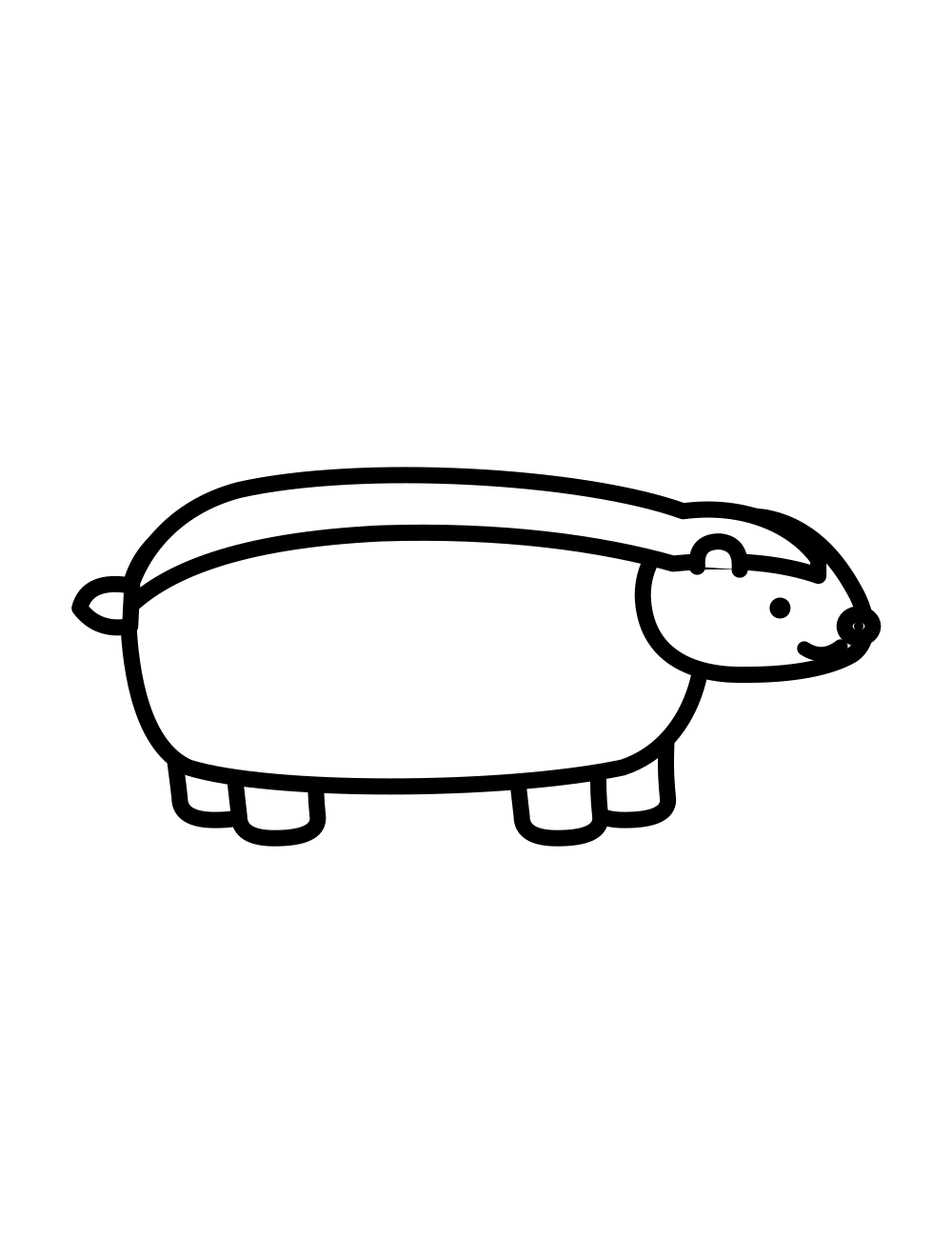
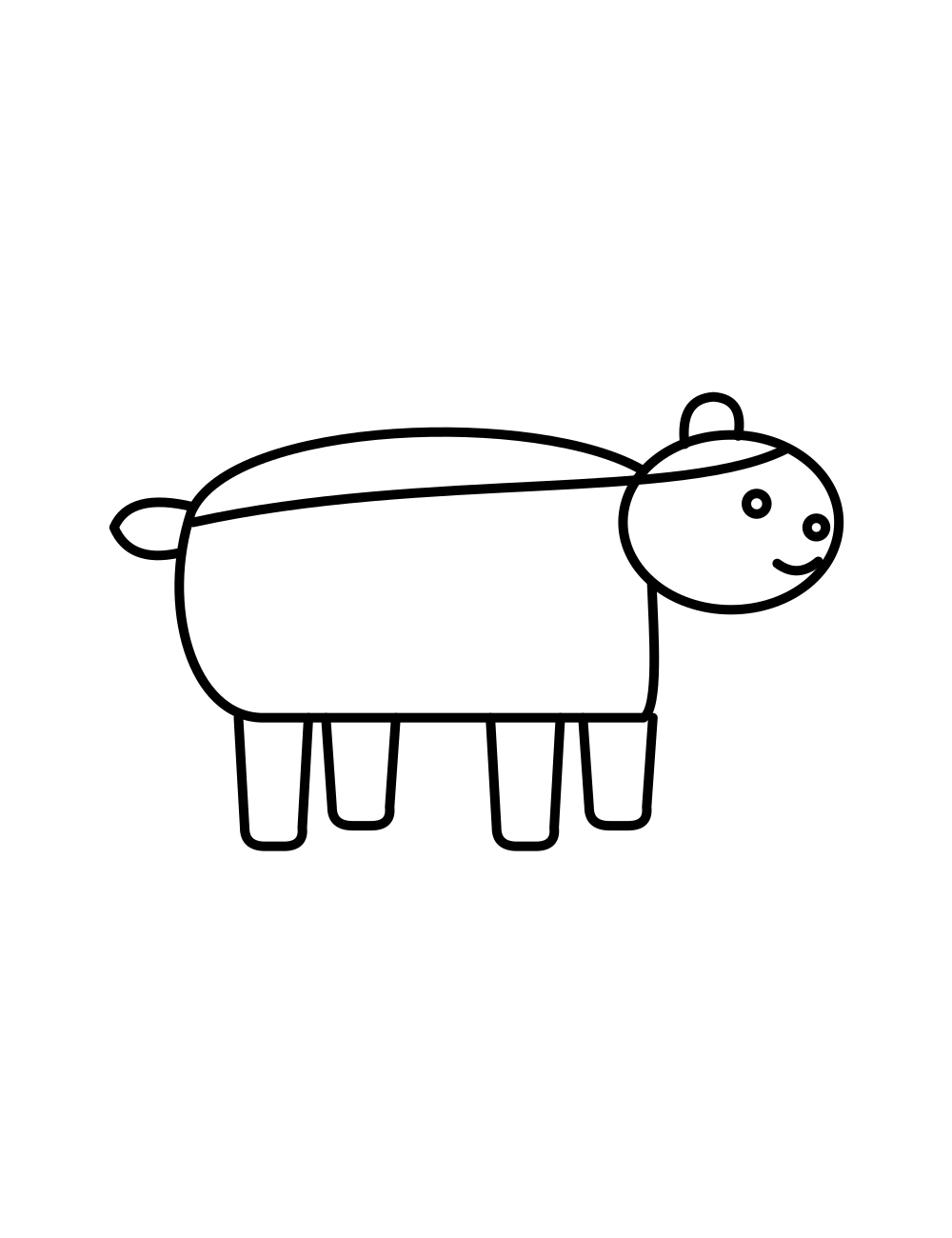
Honey badger coloring page for ages 3 to 5 with very thick outlines, big simple shapes and no background

Little

Ages 3–5

Very thick lines and a few big areas. Easy for small hands.
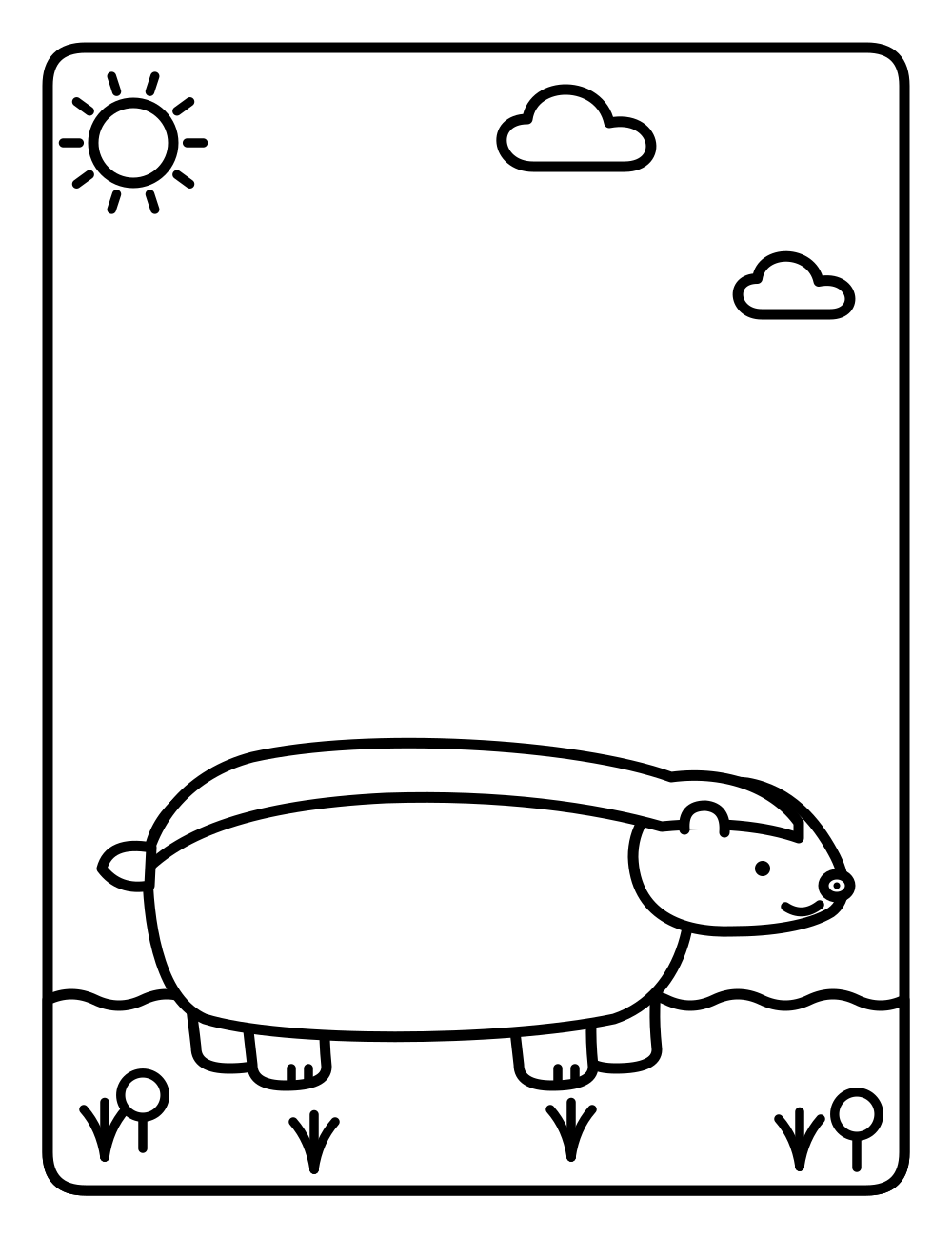
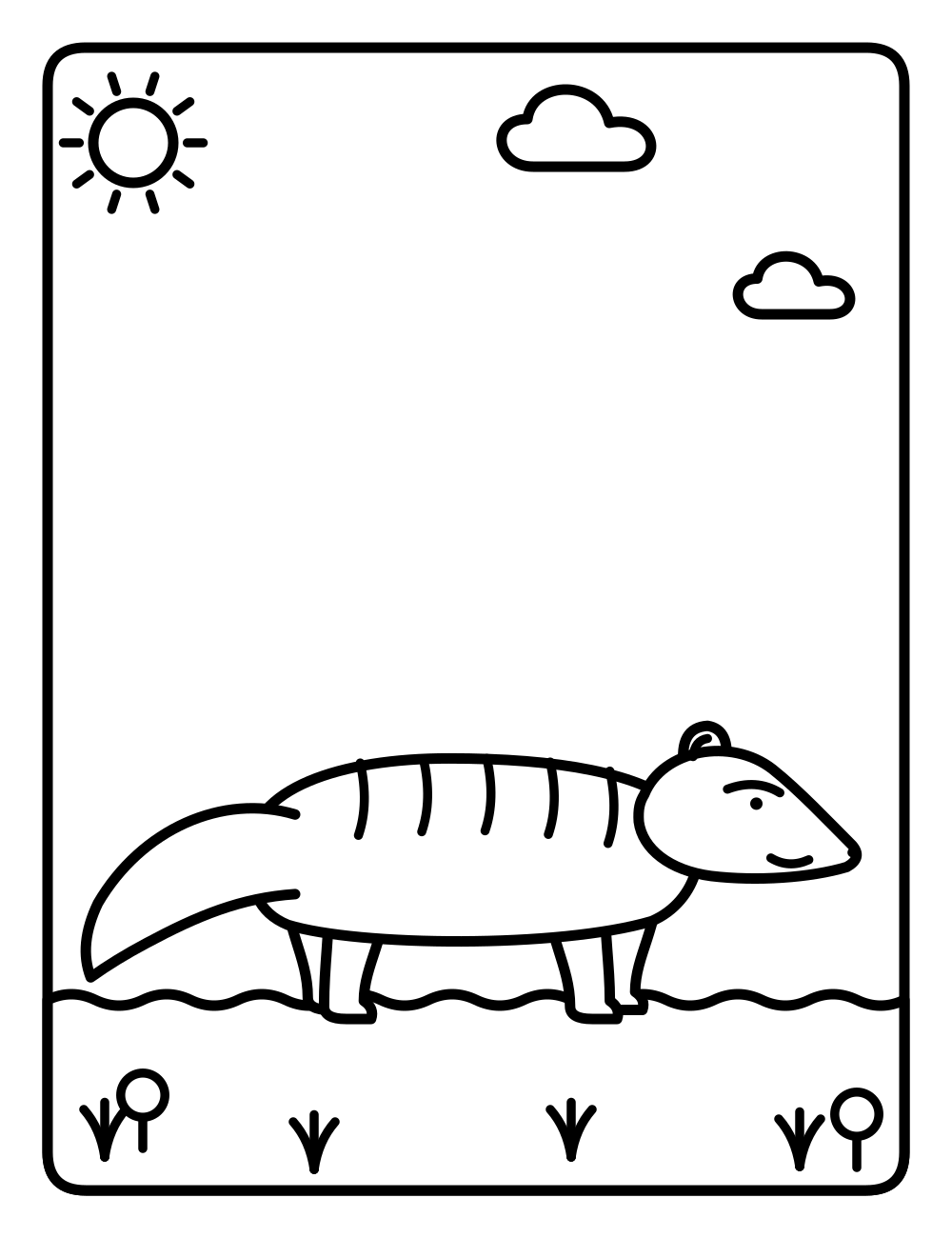
Stocky honey badger with a pale stripe down its back standing on the grass under the sun, for ages 6 to 8

Kids

Ages 6–8

Thick lines and a simple background to color.
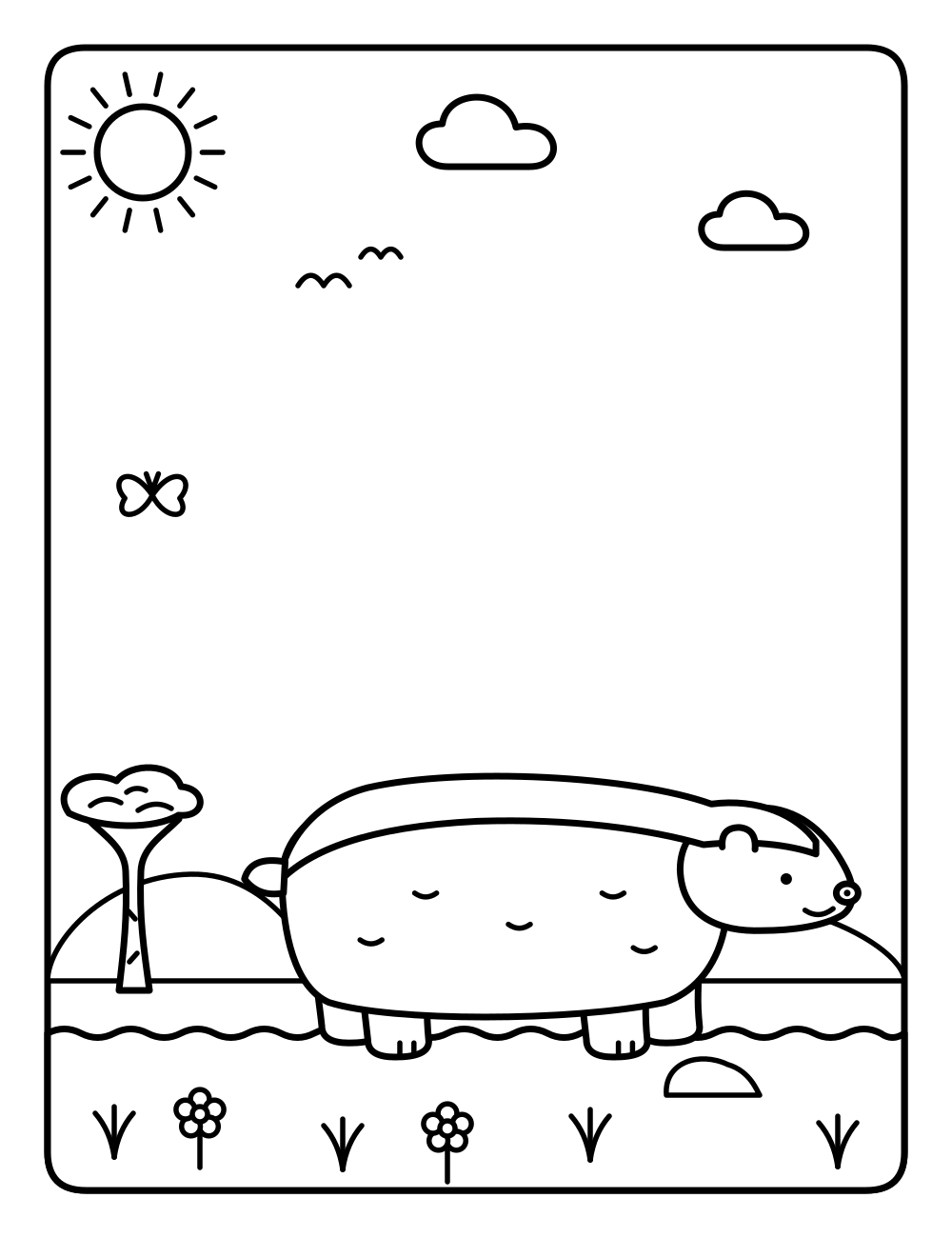
Honey badger walking through a savanna scene with an acacia tree, grass and flowers, for ages 9 to 12

Detailed

Ages 9–12

Finer lines, more areas and patterns for older children.

Color online

Choose a color, then tap an area of the picture to fill it. When you are happy, save it as an image or print it.

Coloring online needs JavaScript. You can still print the pages above.

Real colors to try

These are the natural colors of this animal. Use them, or pick your own.

  • dark body
  • dark head and tail
  • pale gray back stripe
  • charcoal legs

Honey Badger facts for kids

  • Honey badgers live in Africa and in parts of Asia, in dry grasslands, forests and deserts.
  • A honey badger has very thick, loose skin, which helps protect it when it fights or raids a bees' nest.
  • Honey badgers are strong diggers. They use their long front claws to dig burrows and to find food.
  • Honey badgers eat many things, such as insects, roots, fruit, small animals and, of course, honey.
  • Although it is not very big, the honey badger is famous for being brave and tough.

How to use this coloring page

  • Little level: color the big dark body first with a chunky black or brown crayon, then leave the stripe light or color it pale gray.
  • Kids level: two colors are enough for the animal, one dark and one light. Add green grass and a blue sky for the background.
  • Detailed level: color the dark coat in layers, pressing lightly at first, and keep a clean edge where it meets the pale stripe.
  • In class, talk about why the honey badger got its name, then let the children draw a small bees' nest beside it.
  • Print at 100% on plain paper. Thicker paper helps if you use markers on the large dark areas.

Pip's idea

Make a night-time honey badger: color the sky deep blue with a yellow moon, and let the pale stripe glow silver in the moonlight.
Questions and answers

Why is it called a honey badger?
Because it loves to break into bees' nests to eat the honey and the young bees inside. Its thick skin helps protect it from stings.
What colors does a honey badger need?
Mostly two: black or very dark brown for the body and legs, and a light gray or white for the wide stripe on top of the head and back.
Which honey badger page is right for a preschooler?
The little level, for ages 3 to 5. It has very thick outlines and just a few big shapes, so the dark body and the pale stripe are easy to fill in.